
Minimalist Living with Kids in Small Homes: Simple Ways to Create Calm, Space, and Better Play
Create a calm, clutter-free home with simple minimalist ideas for kids and small spaces. Gentle tips for toy rotation, easy organization, and peaceful family living.
MAIN
Minimalist Living with Kids in Small Homes: Simple Ways to Create Calm, Space, and Better Play
Living with kids in a small home often feels like juggling joy, tiny socks, and an endless stream of toys that somehow multiply overnight. Minimalist living with kids in small homes isn’t about strict rules or creating a showroom-level space. It’s a softer approach: fewer distractions, easier routines, and a home that feels calm instead of chaotic.
Below is a gentle, practical guide inspired by real family habits — simple ideas you can adapt without pressure, perfectionism, or expensive updates.
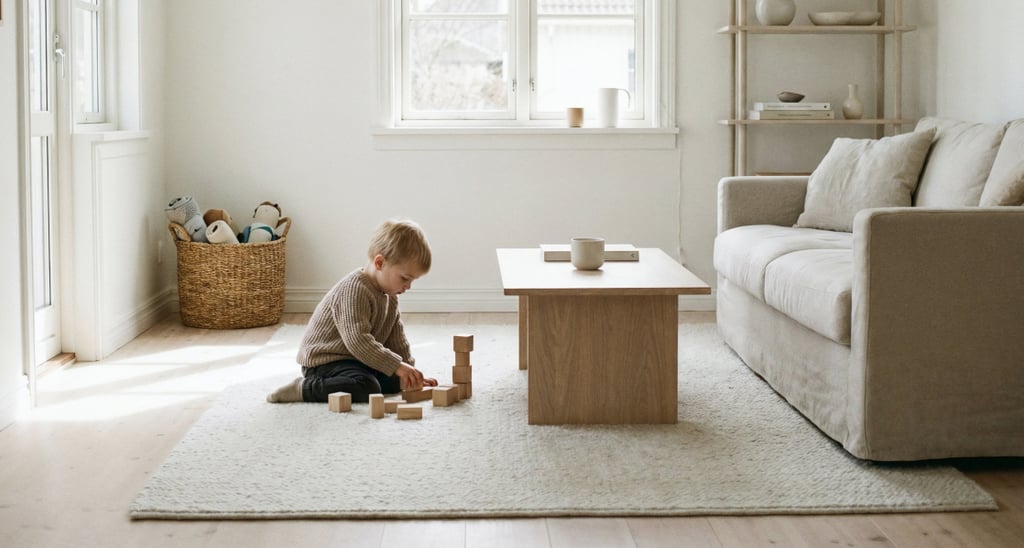
Why Minimalism Works Surprisingly Well for Kids
Children don’t need more things to feel engaged. They need space, clarity, and a sense of what to do next. A minimal home gives them just that.
Here’s what usually happens when you simplify:
Kids play longer with what you actually keep.
They get overwhelmed less often.
They can clean up faster (and sometimes even enjoy it).
They sleep better with less visual noise.
You spend less time organizing and more time living.
Minimalism isn't about denying children joy — it’s about giving that joy more room.
The “One Space Rule”: A Simple Way to Keep Toys Manageable
You don’t need diagrams or labels. The idea is beautifully simple:
Each category of kids’ items gets one dedicated space — and only what fits stays.
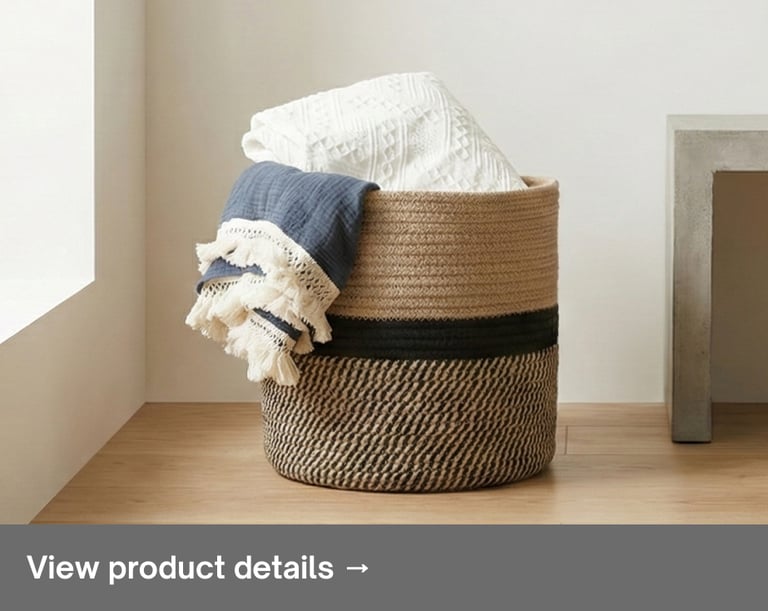
One basket for toys
One shelf for books
One small drawer for art supplies
One section for bath toys
That’s it — no drama, no strict minimalism, just a clear boundary that keeps things light.
The magic of this rule is that it works even without decluttering marathons. When the basket fills, you rotate items or remove what’s no longer used.
This gives your child:
fewer choices → easier play
clearer surroundings → calmer mood
an environment that teaches soft responsibility
And for you, it means less cleanup and far fewer “Where does this go?” moments.
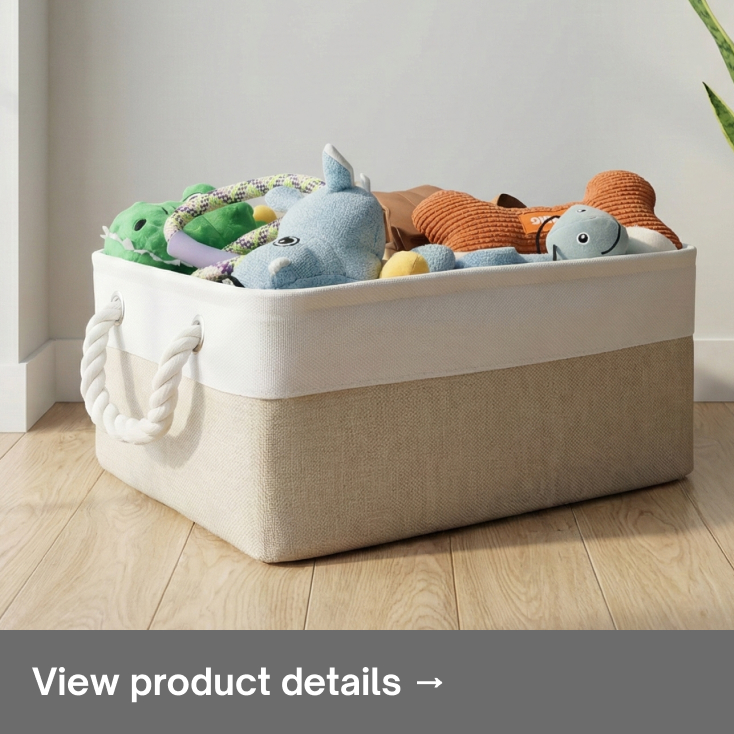
Toy Rotation: The Secret to Happier, Longer Play
Toy rotation is one of the most family-friendly minimalist habits. You keep a small set of toys accessible and store the rest out of sight. Every few weeks, you swap them.
Why it works so well:
Everything feels “new” again.
Kids get less overstimulated.
You buy fewer toys because the existing ones stay interesting longer.
Your home stays open and breathable.
This is an easy place to gently introduce the idea of affordable, simple items:
You don’t need high-end toys to keep rotation fun. A few low-cost, well-chosen pieces can refresh a play area just as well as pricey sets — and they take much less commitment. The fewer things you keep, the easier it becomes to experiment with styles, sizes, and textures.
The Minimalist Toy Categories That Support Any Age
Instead of focusing on specific products, think in broad, flexible categories. This makes choosing items easier — and prevents random impulse purchases.
Here are the seven categories that cover almost everything:
1. Character & pretend-play items
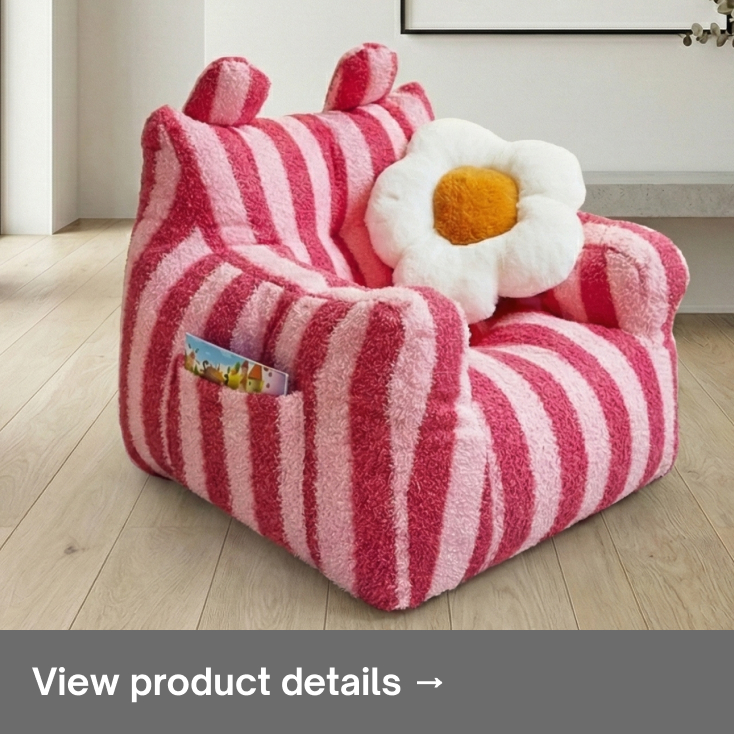
Soft toys, dolls, puppets — perfect for emotional learning.
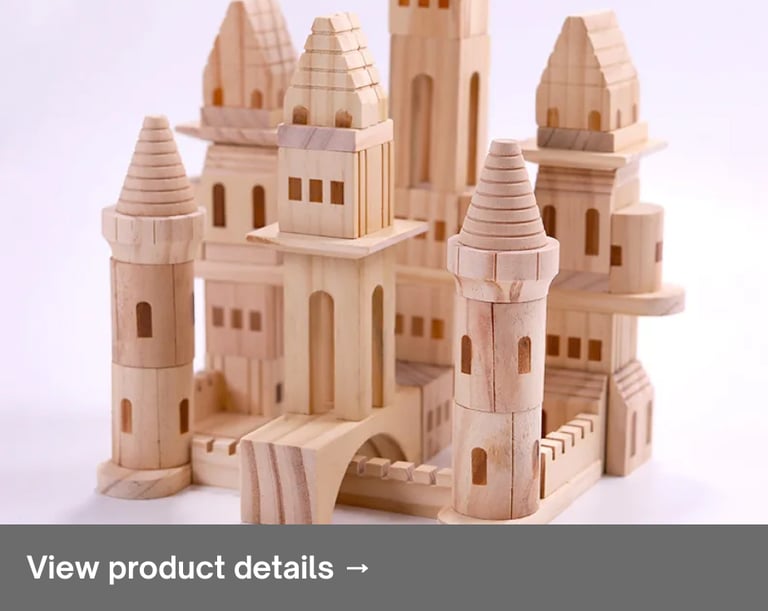
2. Building toys
Blocks, magnetic tiles, stacking sets — great for creativity.
3. Simple art supplies
Crayons, safe markers, notebooks — just one small drawer is enough.
4. Movement toys
Balls, jump ropes, small ride-ons — essential for active kids.
5. Cozy forts & hideouts
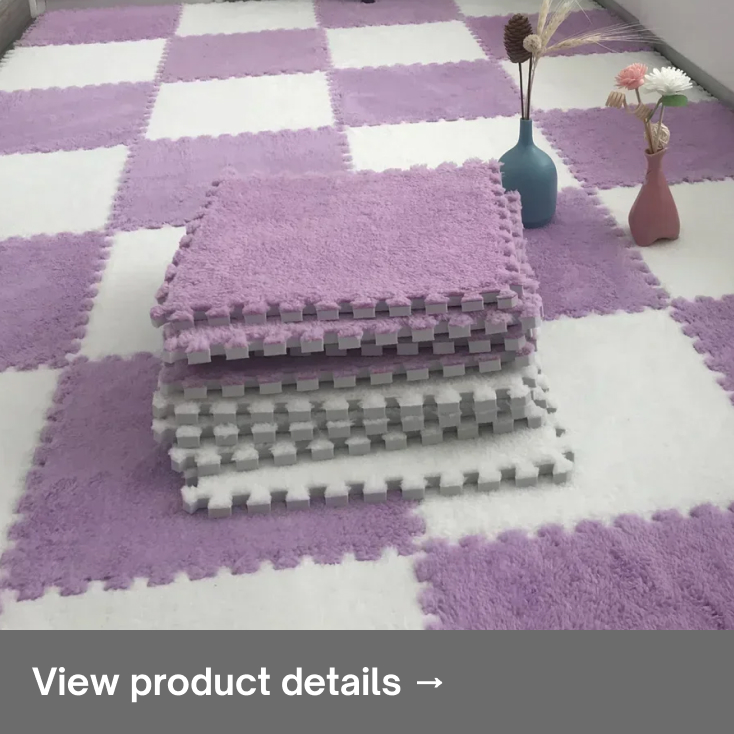
Sheets, play tents, or soft cubes to create a hideaway.
6. Vehicles
Cars, boats, trains — compact, engaging, endlessly useful.
7. Books
One shelf is plenty. Fewer books means easier bedtime choices.
These categories help you avoid clutter while still giving your child a complete play experience. And because everything stays limited to “one space,” your home doesn’t dissolve into chaos.
A Calm Kids’ Room Without Losing Their Personality
Minimalism isn’t about removing color or forcing children to love beige. You can keep a space simple while still letting kids express themselves.
Try these balanced ideas:
Use a neutral base (walls, furniture) and add 1–2 colorful accents your child loves.
Create mini-zones: a reading nook, a small art corner, or a cozy spot with cushions.
Bring in one decorative element that feels magical: a soft nightlight, a fabric canopy, a rainbow print — just one statement piece is enough.
Give each child one small shelf for “special treasures.” They choose what stays.
This keeps individuality alive without overwhelming the room.
Decluttering With Kids (Gently): What Actually Works
Minimalism is smoother when children feel included rather than forced. A few soft routines help:
Simple habits:
A weekly “basket check” — what we still play with stays.
A tiny “rotating box” — toys take turns living there.
A seasonal refresh — swap items when the weather changes or a new interest arrives.
No guilt around letting go — explain that toys passed on bring joy somewhere else.
When you simplify slowly, kids adapt naturally. The goal is not to remove everything — it’s to make the space peaceful and practical for everyone.
Minimalist Living in Small Homes: Creating Space You Didn’t Know You Had
Small homes benefit most from minimalism because every empty surface becomes breathing room.
A few helpful ideas:
Keep furniture light and functional.
Avoid “extra” tables — fewer horizontal surfaces mean fewer clutter traps.
Use vertical spaces for items you genuinely love (art, instruments, decor).
Put kids’ essentials at their height — it improves independence and reduces your workload.
Keep one open area for play; it makes the home feel bigger instantly.
Even small changes, like removing one unused chair or hiding the bulkier toys during the week, can dramatically shift the mood of the room.


The Emotional Side: More Time, Less Stress, Better Days Together
Minimalist living with kids in small homes is not about doing everything perfectly. It’s about creating a home where:
kids can breathe
parents feel less overwhelmed
routines become smoother
life feels more intentional
and play becomes deeper, not louder
A lighter home helps children grow with clarity and confidence — and helps you enjoy the season you're in without drowning in belongings.
Minimalism is not about having less.
It’s about making space for what matters most.


© 2025 Home Voyage Guide. All rights reserved.